Connect wallet

Basics

5 posts

How prediction markets resolve, and why disputes happen

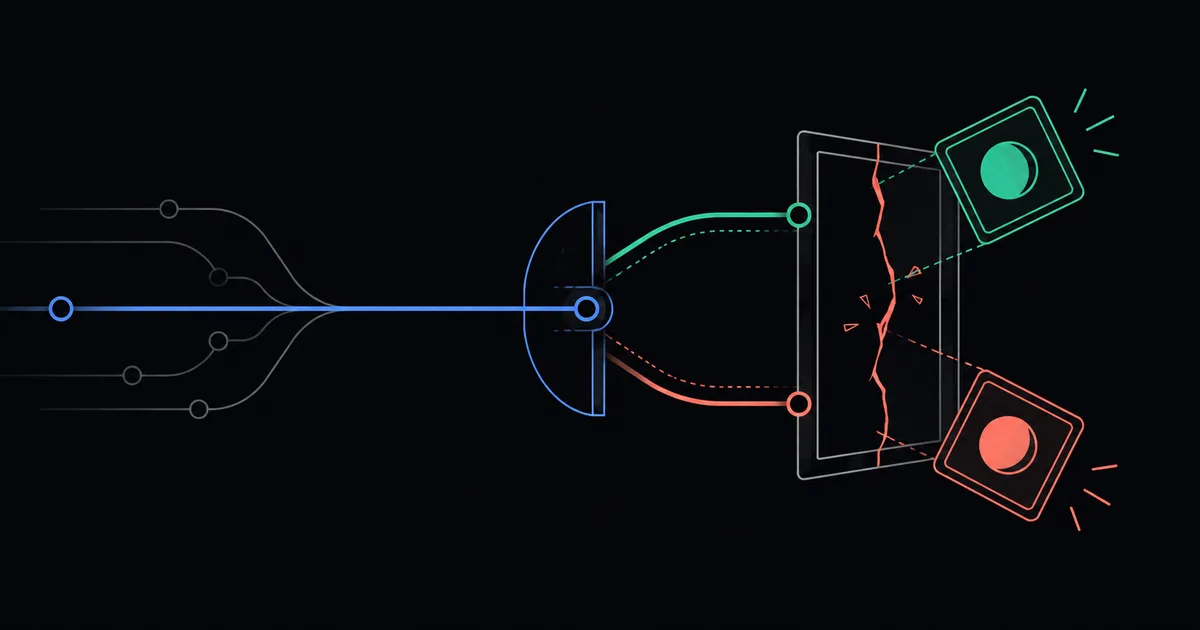
A prediction market resolves when someone proposes the outcome and nobody successfully disputes it. On Polymarket the proposal goes through the UMA optimistic oracle: the proposer posts a 750 dollar bond in USDC.e, a two hour challenge period opens, and if nobody challenges, winning shares pay 1 dollar each. If someone challenges, the question escalates to token holder voting, which is slower and occasionally lands somewhere the plain reading of the question would not.

6 min read

Every way to timestamp a prediction, compared

There are six practical ways to timestamp a prediction: a screenshot, a public post, a published hash you reveal later, an OpenTimestamps proof anchored to Bitcoin, an on chain transaction, or a scored forecasting platform. They differ on one axis that matters more than cost or difficulty: whether the proof survives you wanting it gone, and whether it shows the predictions you would rather forget.

7 min read

Prediction market glossary: 40 terms in plain words

Forty terms used in prediction markets and forecasting, each defined in one sentence with one example. The terms are grouped by where you meet them: market mechanics, probability and scoring, resolution, platforms, and the words insiderz uses. Nothing here assumes you have traded anything.

11 min read

Prediction markets: how a price becomes a probability

A prediction market is a market where people trade contracts that pay 1 if an event happens and 0 if it does not. The last traded price sits between 0 and 1, so a contract at 34 cents reads as a 34 percent chance. The price is a claim about the future made by everyone trading at once. Like any claim, it can be beaten.

7 min read

What does a 34% chance actually mean?

A 34 percent chance means that across a large set of claims made with the same confidence, about 34 out of every 100 come true. It is a statement about a group, not about one event. When the event happens, the 34 percent forecast was not wrong. It was a forecast that said this happens about a third of the time, and a third of the time is often.

5 min read