Connect wallet

Forecasting

14 posts

How to beat the market: a practical guide

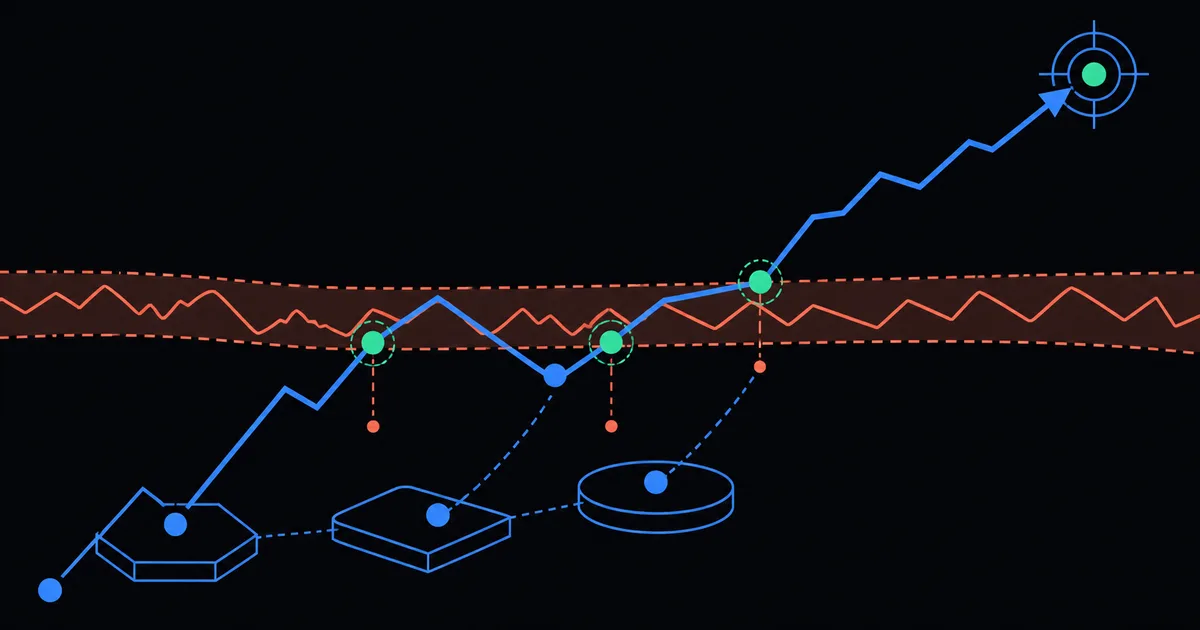
Beating a prediction market means being right where the price was wrong, often enough and on enough events that luck stops being the explanation. There is no trick that works everywhere. What works is a method: start from the price rather than your opinion, disagree only in the few situations where prices are known to be soft, put a specific number on it, and score every call against the price at the moment you made it.

10 min read
Brier score explained in plain words

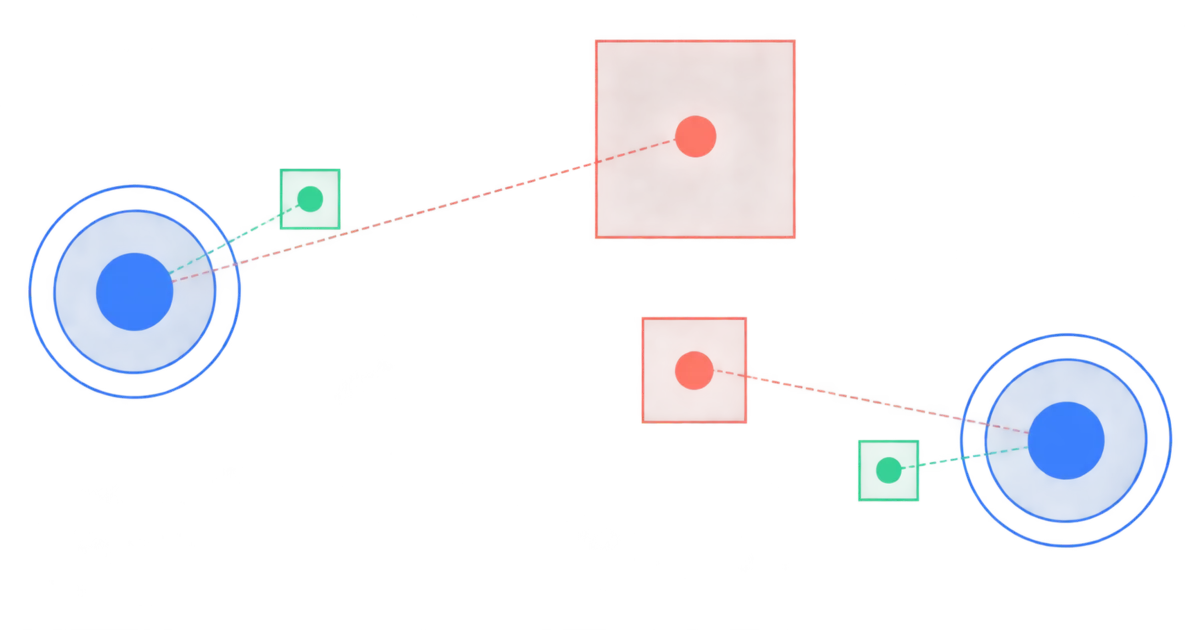
A Brier score measures how far your probabilities were from reality. For each forecast, take the probability you gave, subtract the outcome written as 1 for happened and 0 for did not, and square the result. Average that over all your forecasts. Zero is perfect, 0.25 is what you get by saying 50 percent every time, and 1 is as wrong as it is possible to be.

8 min read

Calibration: what being right 70 percent means

Calibration is the match between what you claim and what happens. If you are calibrated, the events you call 70 percent happen about 70 percent of the time, the ones you call 90 percent happen about 90 percent of the time, and so on down the scale. It is a property of a batch of forecasts, never of one. A single 70 percent call that comes true proves nothing.

7 min read

The forecaster's calendar: 2026 and 2027

Between September 2026 and December 2027 there are four national elections, twenty central bank meetings, one Nobel week, two Oscar ceremonies worth of nominations, and two world championships with fixed dates already published. This page lists them with the source for each date, so you can pick something to call and know when the answer arrives.

7 min read

How to find people who actually beat the market

Judge a forecaster on four numbers and ignore everything else. How often they beat the market price at the moment they spoke. By how much. How early, meaning whether the price later moved toward them. And over how many resolved events. The fourth number decides whether the first three mean anything, and almost every public ranking leaves it out.

7 min read

Build a forecasting bot in 100 lines of Python

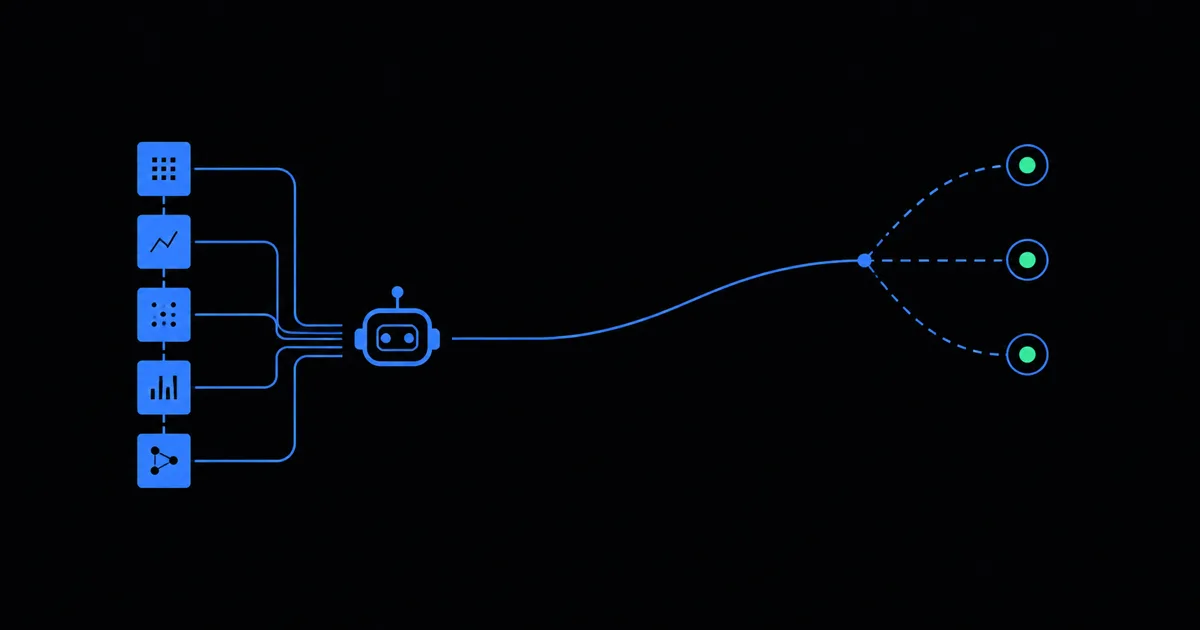
This is a complete forecasting bot in about 100 lines of Python. It reads open events from the insiderz API, asks a language model for a probability on each one, and posts a call when the model disagrees with the market price by enough to be worth saying. The call is locked with the timestamp and the market price. No wallet balance, no gas, no exchange account.

6 min read

Free prediction markets with no money, compared

Six platforms let you forecast real events with nothing at stake: Metaculus, Manifold, Good Judgment Open, Fatebook, Almanis and insiderz. All six give you a dated, scored record. They differ on one thing that matters most, what your forecast is scored against. Only one of them scores you against the live market price. The table below has the columns, checked on 4 September 2026.

9 min read

Market, poll or pundit: who was actually right?

On the 2024 US presidential race the market leaned toward the eventual winner and the leading poll model did not. Polymarket had Trump at 58 percent on 4 November 2024, while the 538 model's final forecast gave Harris 50 in 100 and Trump 49 in 100. Pundits produced no scoreable number at all. One election does not settle the general question, and the same market data set looks much worse when you widen the sample.

6 min read

Play money vs real money: does money help forecasts?

Money does not appear to buy accuracy. The head to head test that settled the question ran a real money exchange against a play money exchange across 208 NFL games in 2003 and found no statistically significant difference on four separate scoring rules. Cross platform Brier scores measured to October 2025 put the money and no money platforms in the same band. What money reliably buys is attention, liquidity and a way for large holders to push a price.

6 min read

Prediction bots: how to build a forecasting agent

A prediction bot is a program that states what will happen on a real event, on a public record, before the event resolves. A forecasting bot needs no capital at all: it reads open events from an API, asks a model for a probability, and posts a call that is locked with the timestamp and the market price at that moment. When the event resolves, the call is scored against the market.

10 min read

How to build a prediction track record people can verify

A prediction track record is believable when four things are true at once. Every call was published before the event. The timestamp came from someone other than you. Nothing can be edited or deleted afterwards. And every call, including the ones you lost, is scored against a public benchmark. Miss any one of those and what you have is a highlight reel.

9 min read

Superforecasters: what they do differently

A superforecaster is someone who ranked in the top 2 percent for accuracy across hundreds of scored questions and then kept doing it. The label came out of a research tournament, not a marketing department, and the advantage is measurable: better calibration, sharper separation of what happens from what does not, and a set of working habits that are cheap to copy. Nothing in the list requires talent you can only be born with.

9 min read

What does a 34% chance actually mean?

A 34 percent chance means that across a large set of claims made with the same confidence, about 34 out of every 100 come true. It is a statement about a group, not about one event. When the event happens, the 34 percent forecast was not wrong. It was a forecast that said this happens about a third of the time, and a third of the time is often.

5 min read

When is the market wrong? Six situations

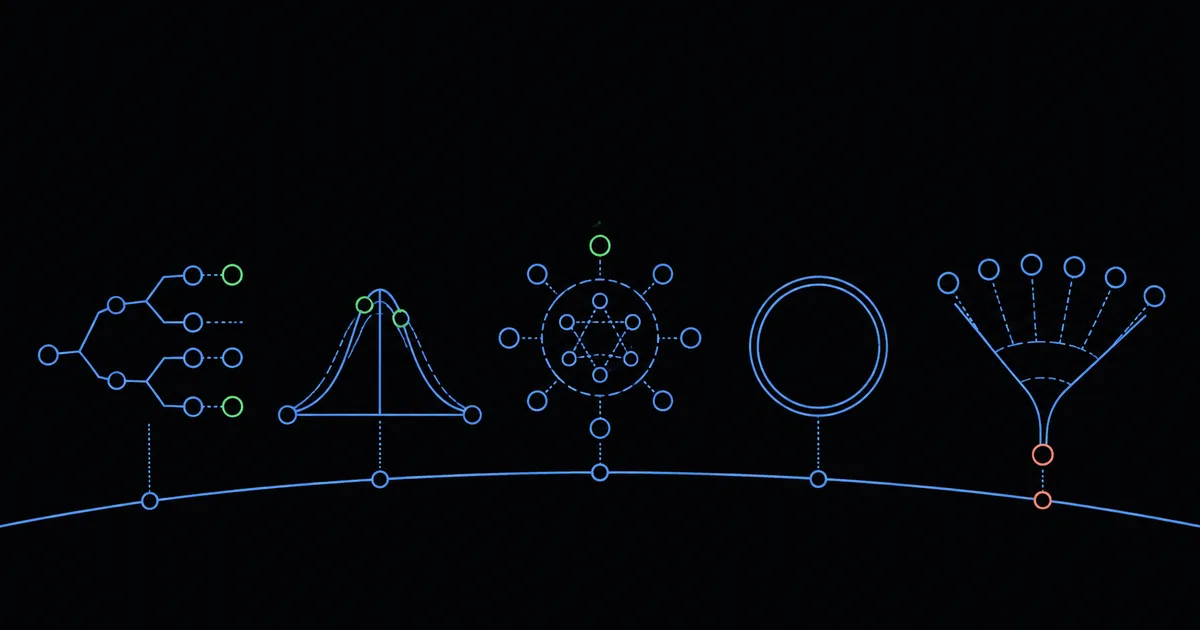
A prediction market price is a hard benchmark on average and a soft one in specific places. The price is most beatable when almost nobody is trading the question, when the information is not the kind traders watch, when the answer needs specialist knowledge, when the resolution rule says something different from the title, at the far ends of the probability scale, and where the price itself changes behaviour. Everywhere else, assume the price is right.

9 min read