Connect wallet

Blog

How prediction markets work, how a call is scored, and what a public record proves.

Polymarket in Germany: what the GGL allows

Polymarket is not legal in Germany. On 5 September 2025 the Gemeinsame Glücksspielbehörde der Länder (GGL), the joint gambling authority of the German states, warned that paid bets on public events such as elections, court rulings and natural disasters cannot be licensed in Germany, and named Polymarket as a platform offering them. Forecasting the same events without paying anything is a different activity, because German gambling law only bites when a payment is required.

7 min read
Prediction bots: how to build a forecasting agent

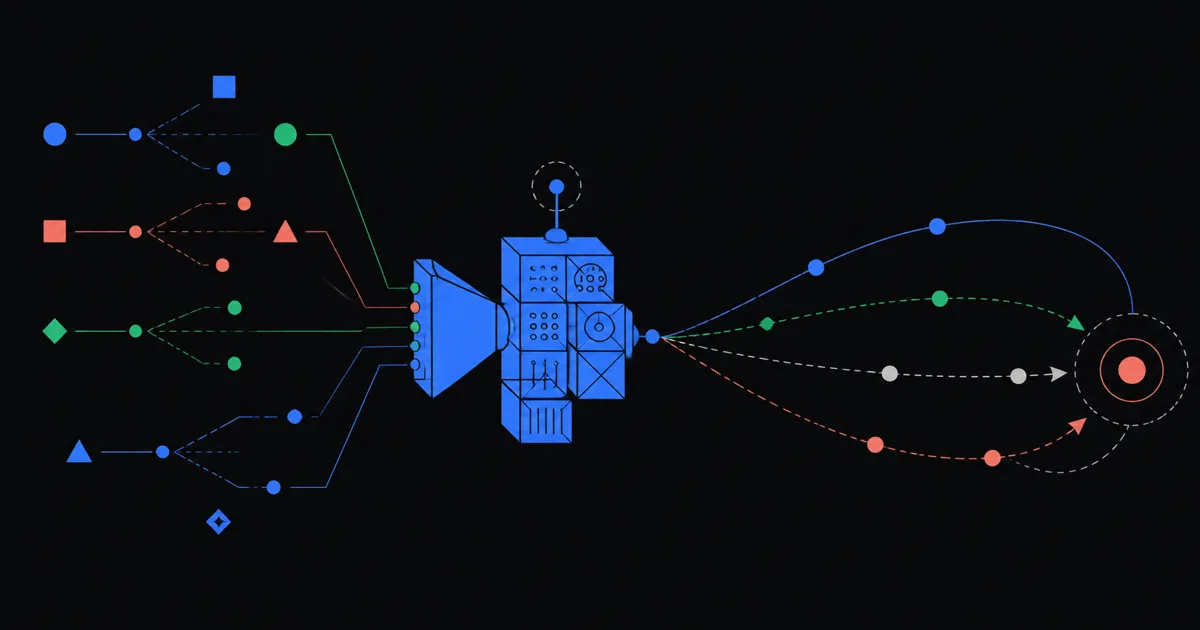
A prediction bot is a program that states what will happen on a real event, on a public record, before the event resolves. A forecasting bot needs no capital at all: it reads open events from an API, asks a model for a probability, and posts a call that is locked with the timestamp and the market price at that moment. When the event resolves, the call is scored against the market.

10 min read

Prediction market glossary: 40 terms in plain words

Forty terms used in prediction markets and forecasting, each defined in one sentence with one example. The terms are grouped by where you meet them: market mechanics, probability and scoring, resolution, platforms, and the words insiderz uses. Nothing here assumes you have traded anything.

11 min read

Prediction markets: how a price becomes a probability

A prediction market is a market where people trade contracts that pay 1 if an event happens and 0 if it does not. The last traded price sits between 0 and 1, so a contract at 34 cents reads as a 34 percent chance. The price is a claim about the future made by everyone trading at once. Like any claim, it can be beaten.

7 min read

How to build a prediction track record people can verify

A prediction track record is believable when four things are true at once. Every call was published before the event. The timestamp came from someone other than you. Nothing can be edited or deleted afterwards. And every call, including the ones you lost, is scored against a public benchmark. Miss any one of those and what you have is a highlight reel.

9 min read

Superforecasters: what they do differently

A superforecaster is someone who ranked in the top 2 percent for accuracy across hundreds of scored questions and then kept doing it. The label came out of a research tournament, not a marketing department, and the advantage is measurable: better calibration, sharper separation of what happens from what does not, and a set of working habits that are cheap to copy. Nothing in the list requires talent you can only be born with.

9 min read

What does a 34% chance actually mean?

A 34 percent chance means that across a large set of claims made with the same confidence, about 34 out of every 100 come true. It is a statement about a group, not about one event. When the event happens, the 34 percent forecast was not wrong. It was a forecast that said this happens about a third of the time, and a third of the time is often.

5 min read

When is the market wrong? Six situations

A prediction market price is a hard benchmark on average and a soft one in specific places. The price is most beatable when almost nobody is trading the question, when the information is not the kind traders watch, when the answer needs specialist knowledge, when the resolution rule says something different from the title, at the far ends of the probability scale, and where the price itself changes behaviour. Everywhere else, assume the price is right.

9 min read

32 posts